About

This project grew out of Gregory-MS, a knowledge hub for Multiple Sclerosis that Bruno Amaral and António Lopes started building in 2021, after Bruno's diagnosis.

That AI was meant to help Bruno filter out the relevant research for MS, and they kept building it bit by bit. They went on to form a non-profit for the MS project, creating a basis for new ideas, like this one.

This leap aims to build hope for everyone who suffers from neurological conditions by bringing together everyone across the field of brain regeneration.

We do this by creating an open space that supports science: by organising and cross-referencing different fields, by being a free tool to save time in researching through scientific knowledge.
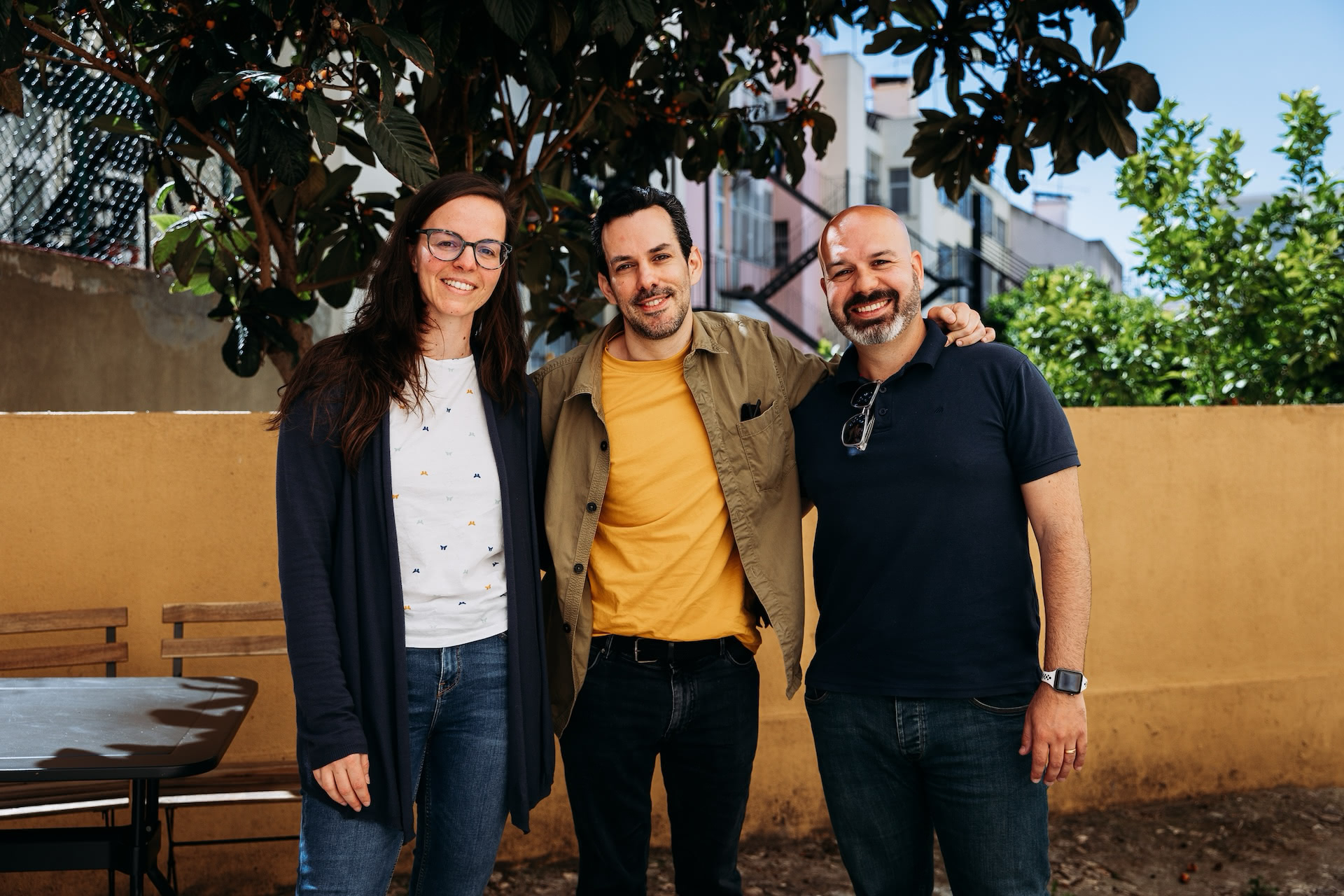
The original Gregory-MS team
The original Gregory-MS team. Photo by Maria Abranches

Our principles

Hope is nurtured by diversity, and that means we must build bridges and common ground for different people.

The Brain Regeneration project stays faithful to the original project by being an independent endeavour, led by patients who do not want to watch from the sidelines and who believe that a little effort can have an impact, if done right.

Common Good

Our goal is to be of service to the advancement of science and the human well-being.

Understanding

Of each other through empathy and of knowledge through science and communication.

Transparency

Every search query, data source, and AI model is documented and auditable. We work in the open and share our activities, methods, and results.

Who this is for

Researchers

A weekly digest of new papers in your field, ranked by relevance.

“12 new cell reprogramming papers from PubMed and bioRxiv, in your inbox before Monday’s lab meeting.”

Clinicians

Trial recruitment updates and emerging research across neurodegenerative conditions.

“3 new MS remyelination trials opened this month, with links to eligibility criteria.”

Patients & Caregivers

Plain-language alerts when new trials open for recruitment.

“A Phase 3 Alzheimer’s trial recruiting in Lisbon, flagged in your weekly alert.”

Advocates & Organisations

Curated research you can share with your community, ready to use.

“The weekly digest embedded in a patient association newsletter — no extra curation work.”

How It Works

1

Curators define what to track

Scientific curators from leading research institutions provide the search queries and categories that scope each research area. They decide what matters.

2

AI harvests and ranks

GregoryAI collects papers from PubMed, MedRxiv, and other databases within hours of publication. Machine learning models rank each paper for relevance.

3

Curators validate the results

Scientific curators review the ranked output, flag errors, and confirm relevance. Human expertise keeps the signal clean and the noise out.

4

You stay informed

Receive weekly digests tailored to the research areas and conditions you follow. New findings delivered to your inbox, not buried in a database.

Built on Gregory-MS, tracking MS research since 2021

Open by design

No hidden funding, no black-box algorithms. Here is how we operate.

Donor-funded

No ads, no commercial sponsors. Every euro raised is listed publicly on the transparency page.

Documented sources

Every database and registry we query is listed. Search queries are defined by scientific curators.

Open source

The website and the GregoryAI engine are open-source and publicly available on GitHub.

View full transparency page

What we track

The observatory can monitor research across any field. Right now we provide information for three research areas:

  • Cell reprogramming — turning the body's own cells into functioning neurons to restore brain tissue
  • Neuroimmune interactions — understanding how cell metabolism shapes brain-immune crosstalk
  • Neuroinflammation — the role of central and peripheral inflammation in neurodegeneration

Each research area is guided by a scientific curator — a researcher or institution with domain expertise who helps us what to track and how to categorise findings.

Who we are

The Brain Regeneration Observatory is managed by the Human Singularity Network, a non-profit organisation registered in Portugal (Tax ID PT517563363), created specifically to manage resources and partnerships for this project.

Project team

  • Bruno Amaral — Project lead and developer of GregoryAI
  • Antonio Lopes — AI and engineering advisor (Iscte / ISTAR)
  • Micaela Goncalves — Community outreach and monitoring

Scientific curators

Each research area is led by a curator who defines its scope. Meet the curators who guide the observatory.

Supporters

Organisations that contribute resources, institutional backing, or community access. See our supporters.

Ambassadors

Patient advocates, podcasters, and content creators who help the observatory reach the people who need it most. Their work bridges the gap between research and the wider community.

Data sources and privacy

The observatory collects research from public databases including PubMed, bioRxiv, medRxiv, and clinical trial registries. No proprietary or paywalled content is redistributed — we link to the original source.

We store as little personal data as possible. Our analytics system does not use cookies and does not collect personally identifiable information. Subscriber data is limited to your name, email address and the topics you choose to follow.

Get involved

Whether you want to follow the research, contribute as a curator, or support the project financially, there is a place for you.

Want to become a curator or ambassador? Get in touch.